Dr Mulder has a special interest in treating conditions affecting the upper limb. The following list is not all-inclusive, but it covers some of the more common injuries that Mike encounters:
- COLLARBONE (CLAVICLE)
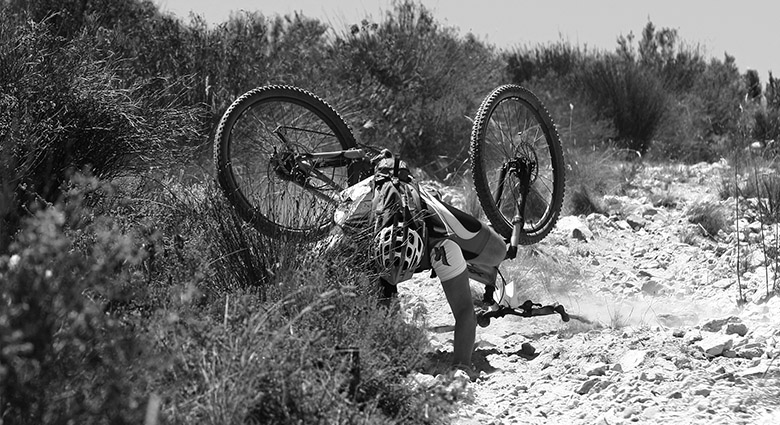
The collarbone is a bone strut that connects the shoulder to the central skeleton via the breast
bone (sternum). Its exposed position leaves it vulnerable to injury during falls and sports injuries
(commonly cycling). Treatment options vary between operating to fix the bone with metal plates and
screws to leaving it to heal in a sling. Options are discussed based on the specific injury and the
profile of the person injured.

- COLLARBONE DISLOCATIONS (ACROMIOCLAVICULAR JOINT INJURIES)
The joint between the outer edge of the collarbone and shoulder blade is commonly damaged during
sports injuries and accidents. These painful and disfiguring injuries require specialist assessment
to guide treatment. Most are treated with a sling and a structured rehabilitation plan, but in some
instances, surgery is required.

- SHOULDER DISLOCATIONS
The global approach to dislocated shoulders has changed over the past 20 years. Once the joint is reduced, a consultation is essential to discuss the consequences of the injury. It is not a “simple” injury, in many situations further treatment is required to restore full function to the joint. Dr Mulder remains up to date the global standards in treatment of these common injuries.

- IMPINGEMENT (SHOULDER TENDINITIS)
This common and distressing condition can affect young and old alike. It causes pain in the shoulder
and upper arm pain when the arm is lifted above shoulder height. There are a variety of causes that
need to be identified and protected. While the majority of cases can be dealt with by using injections,
physiotherapy and anti inflammatories, some resistant cases may need corrective surgery.
- ROTATOR CUFF TEARS
The tearing of the tendons of the rotator cuff muscle off the bone at the shoulder is a common cause of shoulder pain. This may follow an injury to the shoulder or it may simply be the result of “wear and tear”. These tears commonly cause pain when the arm is raised above shoulder height or when reaching
for something. They can also be the cause of shoulder pain at night.
Many factors influence the treatment of rotator cuff damage. Mike will perform a comprehensive assessment of you and your shoulder. This includes an ultrasound scan which he will perform in his office. A personalised treatment plan will then be discussed with you and may vary from ultrasound guided cortisone injections and physiotherapy to surgery.
- SHOULDER ARTHRITIS
Like any large joint, the shoulder (ball and socket) joint may develop arthritis. This can occur
through a “wear and tear” mechanism following trauma that damages the cartilage, or as part of “disease
type” arthritis like Rheumatoid Arthritis. Several treatments are available to control symptoms and
preserve function before shoulder replacement surgery becomes necessary.
Once the pain of the pain and limitation of an arthritic joint has become impossible to manage, Dr Mulder will discuss replacing the ball and socket. This decision is taken in consultation with you and your family, such that you are aware of the pro’s and potential cons. Mike is experienced in performing both conventional (anatomic) and reversed total shoulder replacements.
- PROXIMAL HUMERUS FRACTURES (SHOULDER FRACTURES)
These painful debilitating fractures are common in older individuals following a fall onto the affected shoulder. Associated osteoporosis weakens the bone and results in a shattering of the ball component of the shoulder. Despite the extreme pain associated with these injuries, in most cases no surgery is required and we will allow the bone to heal on its own.
Mike takes many factors into account when calculating the correct treatment for you. If surgery is required this will be discussed with you and your family. Surgery may be either to fix the fracture or to perform a total joint replacement.
- HUMERUS FRACTURES (UPPER ARM BREAKS)
Fortunately the upper arm bone is not easily broken. It usually occurs with high energy, bad falls.
These breaks are very painful and depending on the severity, they may need surgery to reset and fix
the bone with a plate and screws.
- ELBOW DISLOCATIONS
The elbow joint may be injured during sporting and even work-related activities and usually
requires reduction in hospital. As with the shoulder, specialist evaluation of these injuries
is essential to detect and treat any associated problems that may lead to long-term pain or dysfunction
of the joint. The elbow may also “unknowingly” dislocate during an injury, leading to on-going
pain due to ligament or bony damage.
- RADIAL HEAD FRACTURES
These are common and frustrating injuries that follow a fall onto the affected arm. They result
in progressive pain and swelling in the elbow and an inability to bend and straighten or rotate
the forearm. A sling and repeated applications of ice is usually necessary for the first few
days to control the pain and assist with improving movement. The decision to operate and reset
the bone is made based on X-rays and examination.
- TENNIS ELBOW
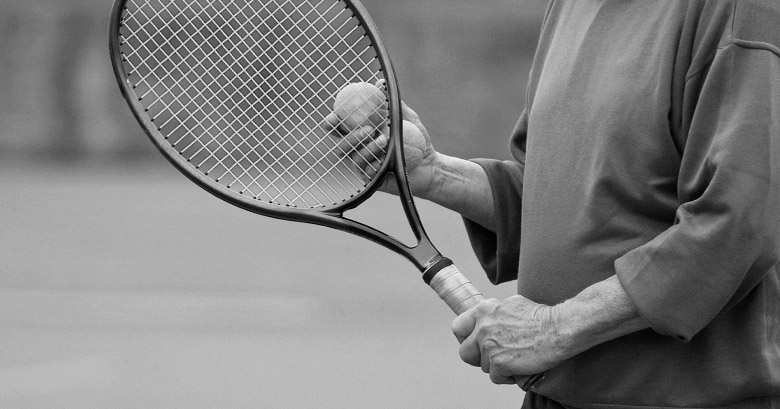
This common and painful condition presents with pain over the side of the elbow. Lifting items, rotating the forearm and even shaking hands is surprisingly painful. Treatment includes rest, stretching
exercises, injections into the affected tendon and in rare cases - surgery.
- BICEPS TENDON INJURIES
The biceps tendon is vulnerable to injury both where it attaches to the forearm bone and at
its attachments around the shoulder. It seldom gives problems in the middle “belly” portion.
With a forced jerking motion the tendon may tear completely, often requiring surgery to reattach
it.
- WRIST BREAKS
These are common injuries and may occur in any age group. In younger individuals, it commonly
follows a fall that happens during sporting activities or is damaged in car accidents. In the
older segment of the population, the wrist may break after a “simple” fall. Treatment options
vary between plaster casts, splints and surgery to reset and fix the bones. Dr Mulder will thoroughly
discuss the benefits and risks of the various treatment options with anyone injured in this way.